كارثة 'فورد بينتو'، عندما تحولت قرارات إدارة 'فورد' إلى أزمة عالمية وبصمة سوداء في تاريخها 1970 - قصة وعبرة
واحدة من أخطر أزمات السلامة في تاريخ صناعة السيارات الأمريكية، والأخطر هو أنها لم تكن أزمة سلامة فحسب، بل تعدت ذلك إلى كارثة أخلاقية وجشع مالي على حساب سلامة المستخدمين.
كيف بدأت القصة؟
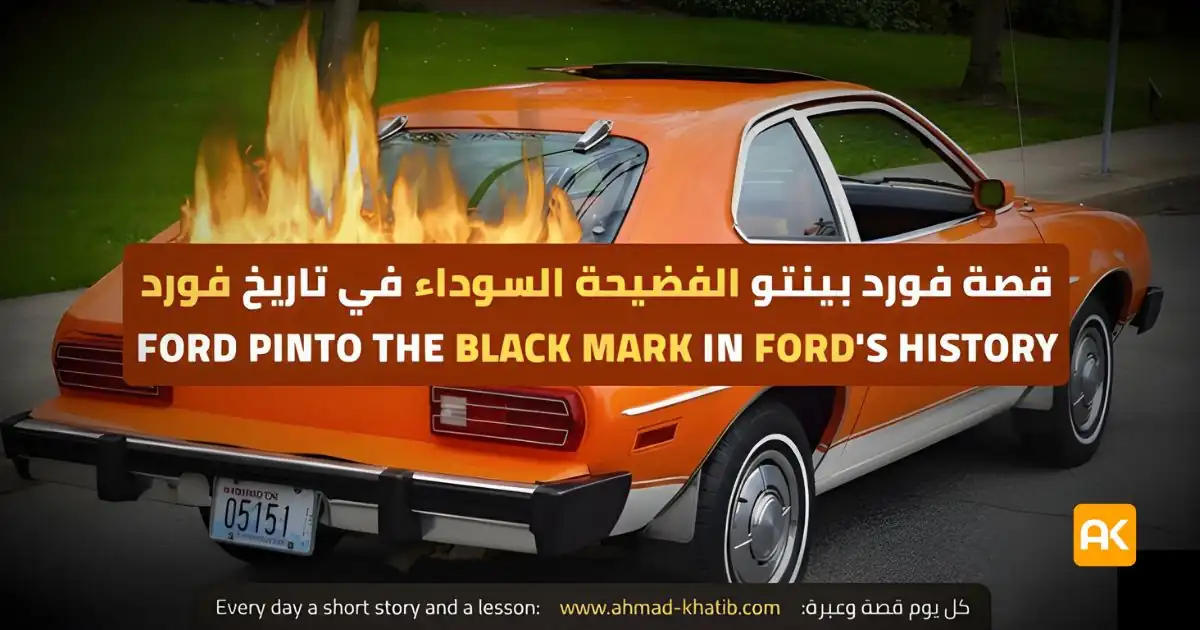
في السبعينيات، واجهت Ford Motor واحدة من أخطر أزمات السلامة في تاريخ صناعة السيارات الأمريكية، والأخطر هو أنها لم تكن أزمة سلامة فحسب، بل تعدت ذلك إلى كارثة أخلاقية وجشع مالي على حساب سلامة المستخدمين. سيارة Ford Pinto، التي صممت لتكون اقتصادية وسريعة الإنتاج، ولكنها حملت عيباً تصميمياً خطيراً في خزان الوقود. فتحولت من منتج واعد إلى أزمة كبرى هزت سمعة الشركة. خزان الوقود كان كلغم موقوت، قنبلة معرضة للانفجار بسبب تصادم خلفي بسيط، نتيجة خلل في موضع خزان الوقود، وغياب للتدعيم الكافي. ومع ذلك، قررت فورد المضي بسيارتها الكارثية هذه، في واحدة من أكبر الكوارث الأخلاقية في تاريخ صناعة السيارات
سبب الكارثة؟
- ثقافة القرار والقيادة (Leadership Culture) وخلل التصميم (Design Flaw): ضغطت فورد على فرق الهندسة لتسريع الإنتاج وتحقيق أهداف السوق قصيرة المدى، مع ضعف في حوكمة القرارات (Decision Governance)، ما أدى إلى تجاهل التحذيرات الفنية والتحليلات الهندسية، وجعل سلامة المستهلك ثانوية مقارنة بالجدول الزمني والتكاليف.
- قرار الإدارة الكارثي المعيب وأساس الكارثة الأخلاقية (Strategically flawed leadership decision): أجرت إدارة الشركة تحليل تكلفة-ارباح (Cost-Benefit Analysis)، فوجدت أن تكلفة تعديل التصميم أكبر مالياً من التعويضات المحتملة للحوادث، فتم اتخاذ القرار بالمضي بالسيارة دون تعديل. القرار الذي بقي بصمة أخلاقية سوداء في تاريخ فورد حتى يومنا هذا!!! ودرس عملي عالمي في إدارة المخاطر، الأخلاقيات، والثقافة المؤسسية.
النتيجة؟
- أكثر من 27 وفاة موثقة، وحوادث حرائق متعددة
- دعاوى قضائية ضخمة، فقدان الثقة، وتغطية إعلامية أثّرت على سمعة فورد بشكل كارثي…
- اضطرار فورد إلى إعادة تصميم خزان الوقود، وتغيير بروتوكولات ضمان الجودة (Quality Assurance)، وسلامة المنتج (Product Safety Standards)
🔍 الدروس المستفادة
القرار الأخلاقي يفوق الأرباح قصيرة المدى، فتجاهل السلامة يمكن أن يؤدي إلى أزمات مالية وسمعة سيئة تفوق بأثرها أي مكاسب مالية مؤقتة. أهمية ثقافة إدارة المخاطر (Risk Management Culture)، فالشركات التي تدمج تقييم المخاطر الهندسية والمالية والتشغيلية في قراراتها، تكون أكثر مناعة لتجنب الأزمات الكبرى. أهمية الرقابة المؤسسية (Corporate Governance)، فغياب حوكمة القرار والرقابة على فرق التنفيذ قد يحوّل العيب التقني البسيط الذي يمكن معالجته في بداياته بتكلفة بخسة إلى كارثة عالمية كبرى يمكن أن تهدد وجود الشركة نفسها.
“القيادة الحقيقية تظهر في اتخاذ القرار الصحيح قبل وقوع الأزمة، وليس بعد وقوعها فحسب.”
🚨 The Ford Pinto Catastrophe – When Leadership Decisions Became a Global Crisis and a Permanent Stain on Ford’s Legacy
How Did the Story Begin?
In the 1970s, Ford Motor Company faced one of the most severe safety crises in the history of the American automotive industry. What made this case extraordinary was not only the technical failure but also the ethical collapse behind it.The hashtag#Ford_Pinto was designed to be affordable and quickly produced. Yet, it carried a fatal design flaw in its fuel tank. What was intended to be a promising product soon turned into a corporate nightmare. The fuel tank’s placement made it a ticking time bomb—highly vulnerable to explosion in even minor rear-end collisions due to insufficient reinforcement.
Despite clear warnings, Ford chose to proceed with production, cementing one of the darkest ethical chapters in automotive history.
Root Causes of the Crisis?
- Leadership Culture & Design Flaw: Ford’s leadership pressured engineering teams to accelerate production and meet short-term market goals. Weak decision governance meant technical warnings were ignored, and consumer safety was deprioritized in favor of deadlines and cost savings.- Strategically Flawed Leadership Decision: Management conducted a cost-benefit analysis and concluded that redesigning the fuel tank would be more expensive than paying potential legal settlements. This decision, driven by financial calculus rather than ethical responsibility, remains a black mark on Ford’s reputation and a global case study in risk management, ethics, and corporate culture.
The Result?
- More than 27 documented fatalities and numerous fire-related accidents- Massive lawsuits, loss of consumer trust, and devastating media coverage
- Forced redesign of the fuel tank and a complete overhaul of Ford’s quality assurance and product safety standards
🔍 Lessons Learned
Ethics Over Short-Term Profit: Ignoring safety for financial gain can lead to crises far costlier than any temporary profit. Risk Management Culture: Organizations that integrate engineering, financial, and operational risk assessments into decision-making are far more resilient against catastrophic failures. Corporate Governance: Weak oversight and poor governance can turn a manageable technical flaw into a global disaster threatening the very survival of a company.“True leadership is revealed in making the right decision before a crisis occurs—not only after.”