حاسوب صخر، حين انتجت الكويت أول حاسوب عربي ودخلت سباق العمالقة 1982 - قصة وعبرة
لنجاح يجذب العيون الكبيرة، فمع تزايد خبرة صخر في التعريب، دخلت الشركات العالمية على الخط. وإلى جانب ذلك، قامت العراق بغزو الكويت في عام 1990
كيف بدأت القصة؟
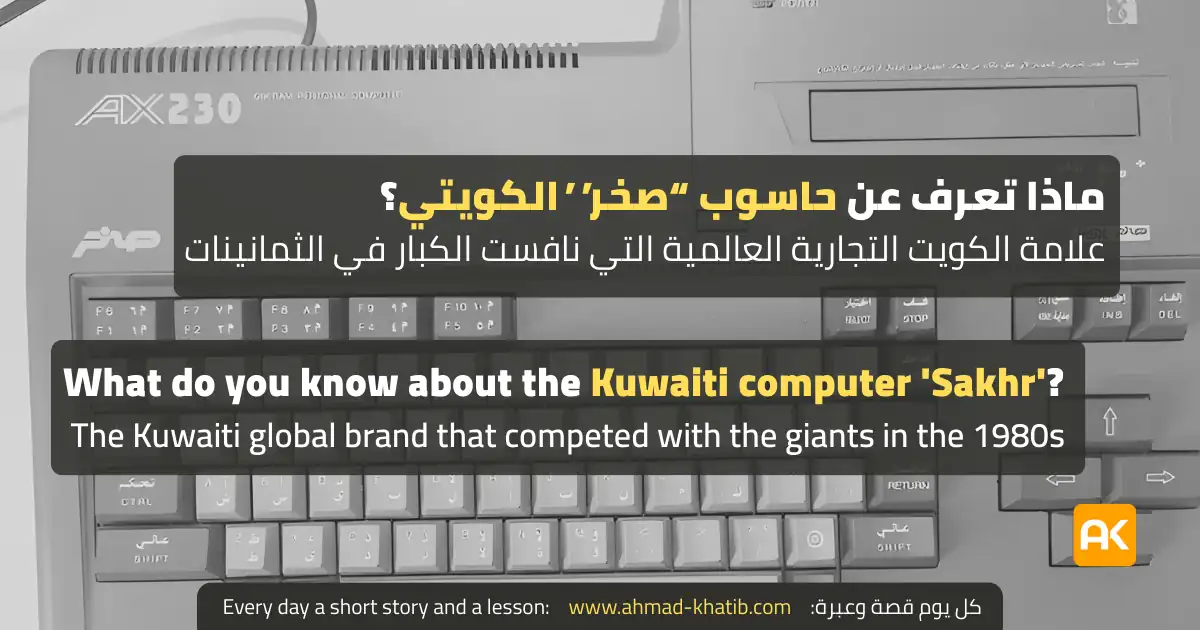
في أوائل الثمانينات، وبينما كان الضجيج العالمي حول الحاسوب المنزلي يتزايد، ظهرت مفاجأة “صخر”، أول حاسوب عربي بانتاج كويتي. نعم، فقد كانت الكويت سباقة في دخول هذا السباق، دخلت أجهزة MSX إلى السوق العربي بلونٍ محلي، أجهزة مُعربة تحت علامة “صخر”/العالمية. لم يكن حاسوب “صخر” مجرد صندوق إلكتروني، بل كان بوابة دخل عبرها آلاف الشباب عالم البرمجة باللغة العربية لأول مرة.
محمد الشارخ - الرجل والرؤية
محمد عبد الرحمن الشارخ هو العقل المدبّر وراء صخر. لم يكن رائد أعمال يسعى لربح سريع فحسب، بل مؤسسًا رؤيوي، جعل اللغة العربية مفتاحًا للدخول الرقمي. أسس “صخر” عام 1982 معتمداً استراتيجية مزدوجة:
- أجهزة محلية معرّبة تُدخل المنطقة عالم التكنولوجيا
- وبحث طويل الأمد يدمج اللغة العربية ببرمجيات قابلة للتشغيل عبر المنصات العالمية
انجازات صخر
أدرك الشركاء أن المسألة ليست تعريب واجهة فحسب، بل بناء نظام لغوي متكامل:
- يدعم الكتابة من اليمين لليسار
- يتعامل مع الحروف المتصلة بحسب موقعها، حيث يتغير رسم الحرف العربي بحسب موقعه في الكلمة
- يدعم مكتبة خطوط قابلة للطباعة بما في ذلك قواعد تشكيل آلي، ومحركات معالجة لغة عربية (NLP) متوافقة مع خصوصية لغتنا. سنوات من البحث العلمي والتطوير المنهجي، أدت لاحقاً إلى تطوير أنظمة ترجمة عربية، وأنظمة لتحويل النص إلى صوت (TTS)، ونظم تعرف بصري على الحروف (OCR). جهود توّجت بابداعات مسجلة أمريكياً، وتقنيات رائدة جعلت صخر مرجعًا إقليميًا في مجال اللغة الحاسوبية. باختصار، ان استخدامنا اليوم للحاسوب والجوالات والتلفاز و… باللغة العربية، يعود الفضل في جذوره إلى “صخر”، هذه العلامة التجارية المشعة في تاريخ الكويت.
صدام مع الواقع الكبير - دخول الكبار إلى المشهد
النجاح يجذب العيون الكبيرة، فمع تزايد خبرة صخر في التعريب، دخلت الشركات العالمية على الخط. وإلى جانب ذلك، قامت العراق بغزو الكويت في عام 1990، فضربت بنية القطاع في المنطقة. لتبرز حكاية مؤلمة، مفادها رواية ترددت بأنه: “قُدِّمت عروض عمل مغرية من شركات مثل Microsoft لمواهبٍ من فريق “صخر” بعد رحلتهم إلى الولايات المتحدة، خلال مفاوضات أو تعاونات لتعريب أنظمة تشغيل كبرى” ما أدى إلى تآكل في قدرة “صخر”. أفضت هذه القضية إلى مواجهة قانونية، وزادت حرب الخليج الأمور تعقيدًا…
كيف تعاملت صخر مع المشهد المستجد؟ قرار التحوّل أو الاختفاء
خسرت “صخر” بيئتها التشغيلية، واضطُرت إلى إعادة التموضع، فانتقلت من تجميع الأجهزة المعرّبة إلى التركيز على البرمجيات وحلول اللغة المذكورة (الترجمة الآلية، التعرف على النصوص، تحويل النص إلى كلام، معاجم رقمية، وحلول للحكومات والمؤسسات). كان القرار مجازفة، لكنها مجازفة نجحت في تحويل خطر الاندثار إلى إرث مستمر. فبفضل هذا التحوّل، حُفظ الإرث التقني والثقافي ل “صخر” واستمرت مساهماتها التقنية لسنوات بعد زوال حواسيبها المجمعة.
🔍 الدروس المستفادة
- كما ذكرت في مقالي السابق عن دخول لبنان إلى سباق الفضاء في الستينات نحن لا ينقصنا الذكاء إذا قررنا الانجاز، فلصخر ابداعات مسجلة أمريكياً، وأبحاث ثبتت أنها ليست مجرد تحسين سوقي، بل مساهمة علمية سباقة في معالجة اللغة العربية حاسوبيًا، امتد أثرها إلى يومنا هذا في كل مرة نكتب ونقرأ العربية على الشاشة…
- والابداع التقني يحتاج لحماية مؤسساتية، فالمواهب لا تُحصّن تلقائيًا بالهوامش المالية، بل بثقافة ولاء، وسياسات حوافز واضحة، تحفظ السرية والأمانة.
- والمرونة الاستراتيجية تنقذ المشاريع، فعبر تخليها عن خط الإنتاج لصالح التركيز على القيمة الحقيقية (اللغة والبرمجيات)، أنقذت صخر استمراريتها لسنوات، بدلاً من أن تُصبح ذكرى قصة تحكى عن انجازات الماضي المندثر.
Sakhr Computer — When Kuwait Produced the First Arabic Computer in the 1980s and Entered the Race of Giants
How Did the Story Begin?
In the early 1980s, as global interest in home computing surged, Sakhr emerged as a surprise: the first Arabic-language computer produced in Kuwait. Kuwait was an early entrant in this competitive field, introducing MSX-based machines localized for the Arab market under the Sakhr brand.
Sakhr was more than a hardware box; it opened a gateway through which thousands of young people accessed programming in Arabic for the first time.
Mohammed Al‑Sharekh — The Man and the Vision
Mohammed Abdulrahman Al‑Sharekh was the driving force behind Sakhr. He was not merely an entrepreneur seeking quick returns; he was a visionary founder who made the Arabic language the strategic entry point to a digital world. Sakhr was established in 1982 with a two‑pronged strategy:
- Produce locally assembled hardware to introduce computing to the region.
- Invest in long‑term research to integrate Arabic into software that could operate across global platforms.
Sakhr’s Technical Achievements
Sakhr’s founders recognized that localization required more than a translated interface; it demanded a comprehensive linguistic system:
- Right‑to‑left text support.
- Contextual shaping of Arabic letters, where glyphs change depending on position within a word.
- A library of printable fonts.
Years of systematic R&D produced automated diacritization rules, Arabic natural language processing (NLP), machine translation systems, text‑to‑speech (TTS), and optical character recognition (OCR). These efforts culminated in U.S.‑registered Kuwaiti technology and established Sakhr as a regional reference in computational Arabic. In short, much of today’s ability to use Arabic on computers, mobile phones, and televisions traces its roots to Sakhr’s early work.
Clash with a Larger Force
As Sakhr’s localization expertise grew, its success attracted attention from major global players; in 1990, however, Iraq’s invasion of Kuwait disrupted the regional technology ecosystem.
A painful chapter followed: reports circulated that talented members of Sakhr’s team received lucrative offers from multinational firms during visits to the United States for collaborative negotiations. This talent drain weakened Sakhr’s operational capacity and led to legal disputes, while the Gulf War compounded the company’s challenges.
Strategic Pivot or Extinction
Faced with a disrupted operating environment, Sakhr repositioned itself. The company shifted away from assembling hardware and refocused on software and language solutions: machine translation, OCR, TTS, digital lexicons, and enterprise and government language services.
The pivot was risky but successful. By concentrating on core Arabic-linguistic value rather than hardware production, Sakhr preserved its technical and cultural legacy and continued contributing to the field years after its assembled machines disappeared from the market.
🔍 Lessons Learned
- As noted in my previous article The Cedar Rocket – Lebanon’s Dream That Challenged Giants in the Space Race on regional technological milestones, capability is not the limiting factor when there is a clear goal and the ambition to achieve. Sakhr’s U.S.‑registered Kuwaiti technology and rigorous research show that the company delivered pioneering scientific contributions to Arabic language computing—contributions that continue to affect how we read and write Arabic on screens today.
- Protecting technical talent requires institutional measures: talent is not secured by financial margins alone but by a culture of loyalty and clear incentive policies that safeguard confidentiality and integrity.
- Strategic flexibility can save organizations; by abandoning a vulnerable production line and focusing on enduring value—language and software—Sakhr transformed a threat of obsolescence into a lasting legacy.